Launch Lab
From a Simple Pitch to a Live App in Days: How We Built Pack-fit
November 4, 2026

November 4, 2026
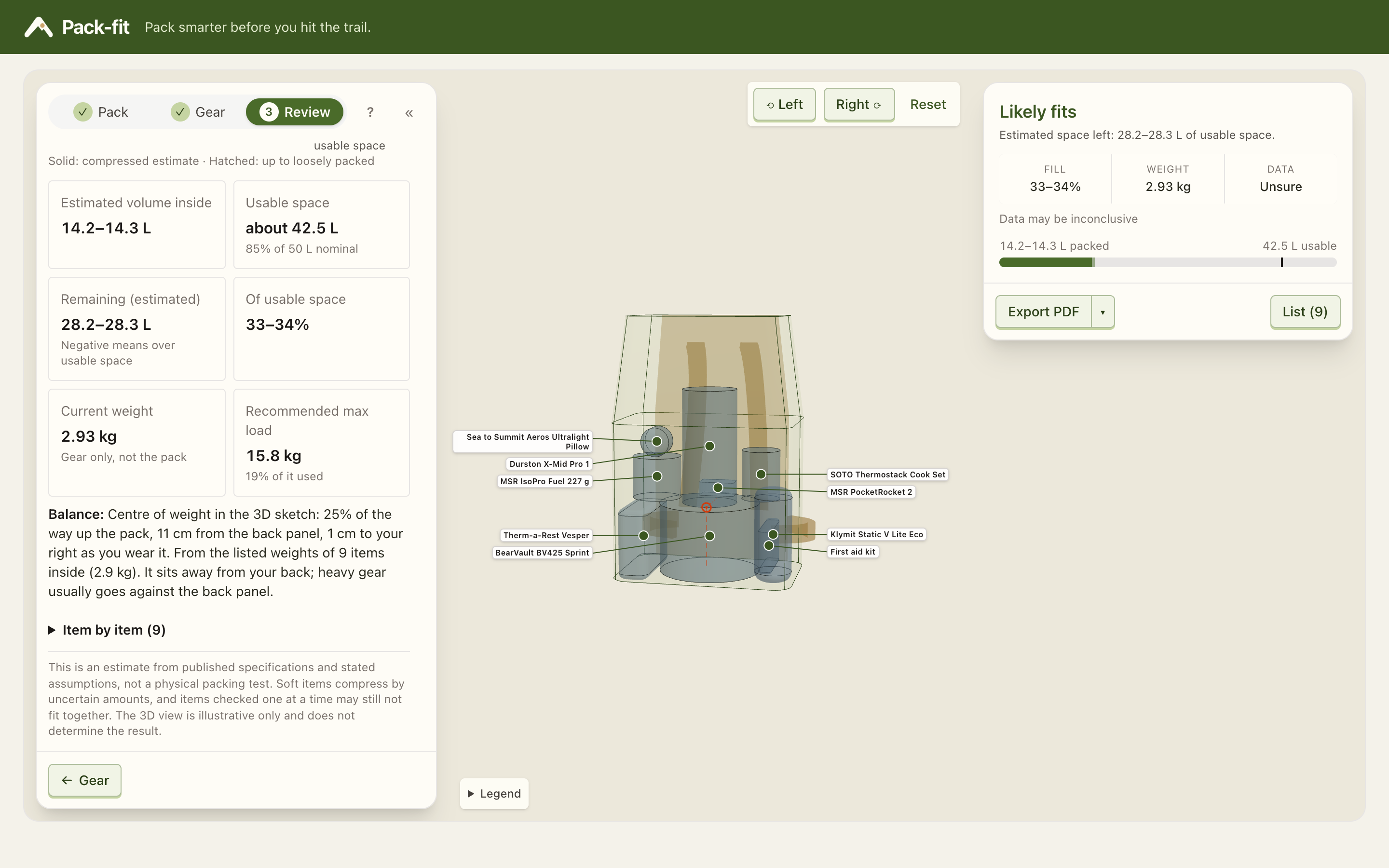
Every backpacker knows the moment. Gear spread across the living room floor, a pack in the middle, and one question: will it all fit? Pack-fit answers that question before the packing starts. This post is about how and why we built it.
We built Pack-fit as a short learning opportunity. We were given 3–4 days to plan, develop and release a site entirely from start to finish. The goal was more than a demo. It had to be a real, useful product that people could open and use on day one, and it had to show what a small team can deliver quickly when the work is focused.
From this project we learnt a valuable lesson: the importance of a structured plan. When building a project alone, or entirely from a simple pitch, condensing your thoughts and concepts down is the first step to a successful project. When working on a project with AI, you are also trying to wrangle its thoughts. Thus, you must ground both yourself and the AI in a rigid plan.
That plan was built on a set of documentation rather than a single prompt or document. A product scope defined what Pack-fit would and would not do, decision records explained each major choice, and a set of working rules guided how the AI should build. Together, these documents kept the project on track. Every new idea could be checked against them, and whenever the AI drifted, they brought it back. In a project this short, the time spent writing things down was quickly earned back.
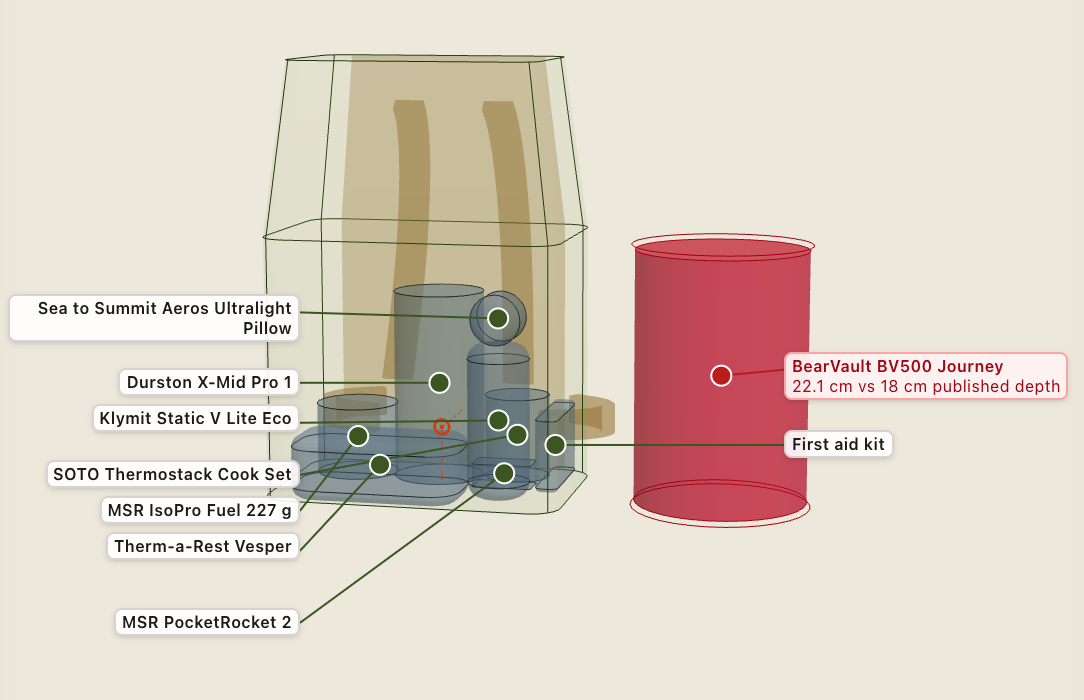
The plan also made it easy to change course. On day one, Pack-fit had a full backend: an API, a database and the infrastructure to run them. Checked against the scope, none of it was needed. The catalog is curated and read-only, and every check stands on its own, so we removed the backend and rebuilt Pack-fit to run entirely in the browser. That means no servers to maintain, no accounts to manage, and a site that is fast, inexpensive to host and private by design: each visitor's packing list stays on their own device.
Keeping the foundation simple left room for the parts that make Pack-fit stand out.

Even for a fairly simple idea, it's incredibly important to put a foundation and safety net in place to really increase efficiency. Locking down your goal is the single most important piece of a successful project. It is what let Pack-fit go from a one-page pitch to a technically ambitious, purposeful product in a matter of days.
Pack-fit is a Launch Lab project from Appsquire. The same approach of a clear plan, a focused scope and careful engineering is how we work with our clients. If you have an idea you'd like to see built quickly and built well, reach us at info@appsquire.com.
Check out the project at https://pack-fit.app.
Pack-fit checks whether your camping gear will fit in a backpack. Here's how we took it from a one-page pitch to a live app in a few days.
Wednesday, November 4, 2026
A free prompt you can paste into any AI assistant to build production-ready software. It starts with a login screen.
Thursday, October 8, 2026
We connected our own inventory system to AI assistants over the Model Context Protocol. The connection was quick. Deciding what the assistant may do, and what it should do when unsure, was the real work.
Tuesday, September 29, 2026